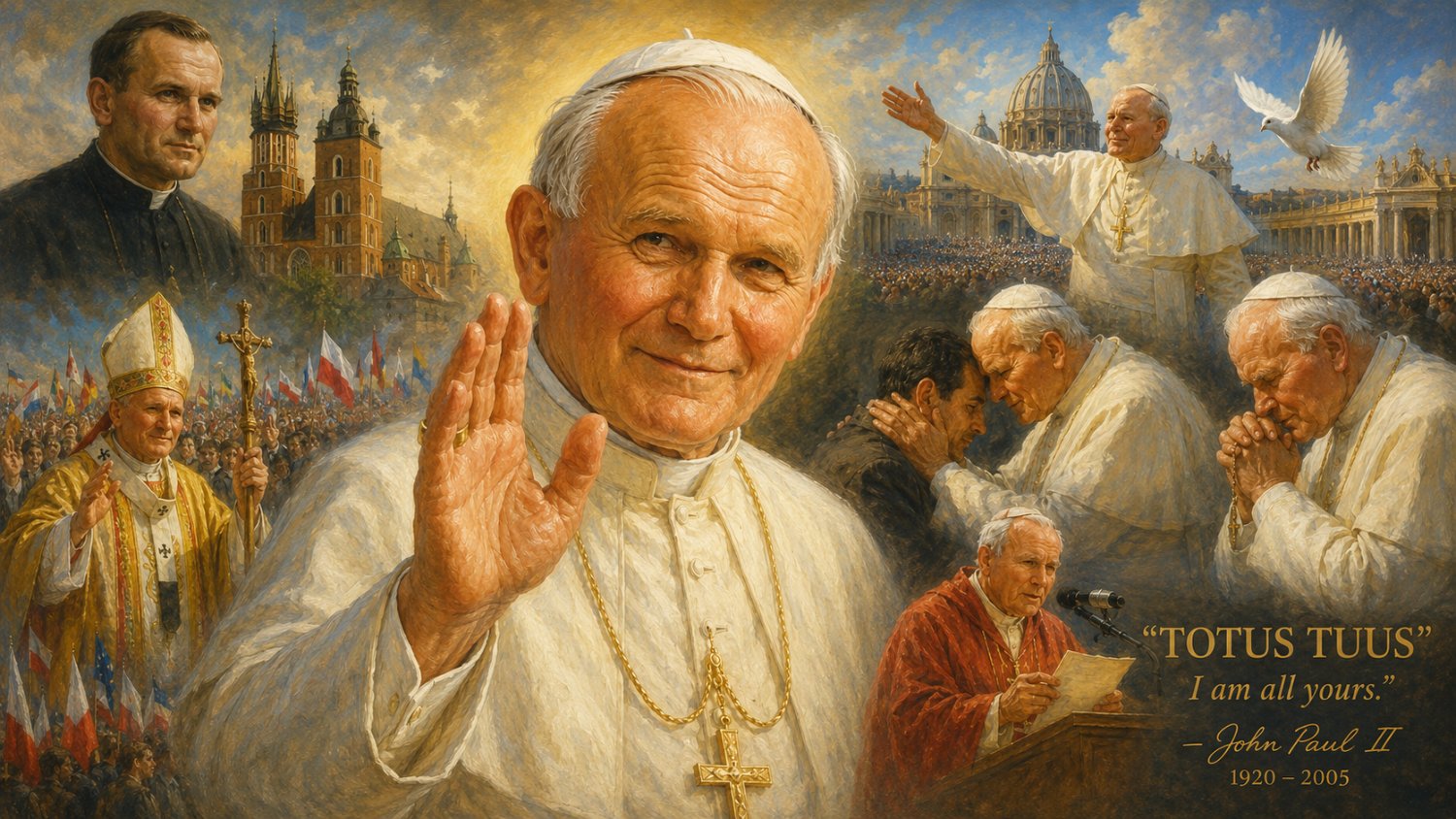
An Examination of His Life, Influence, Strengths, and Controversies
Introduction
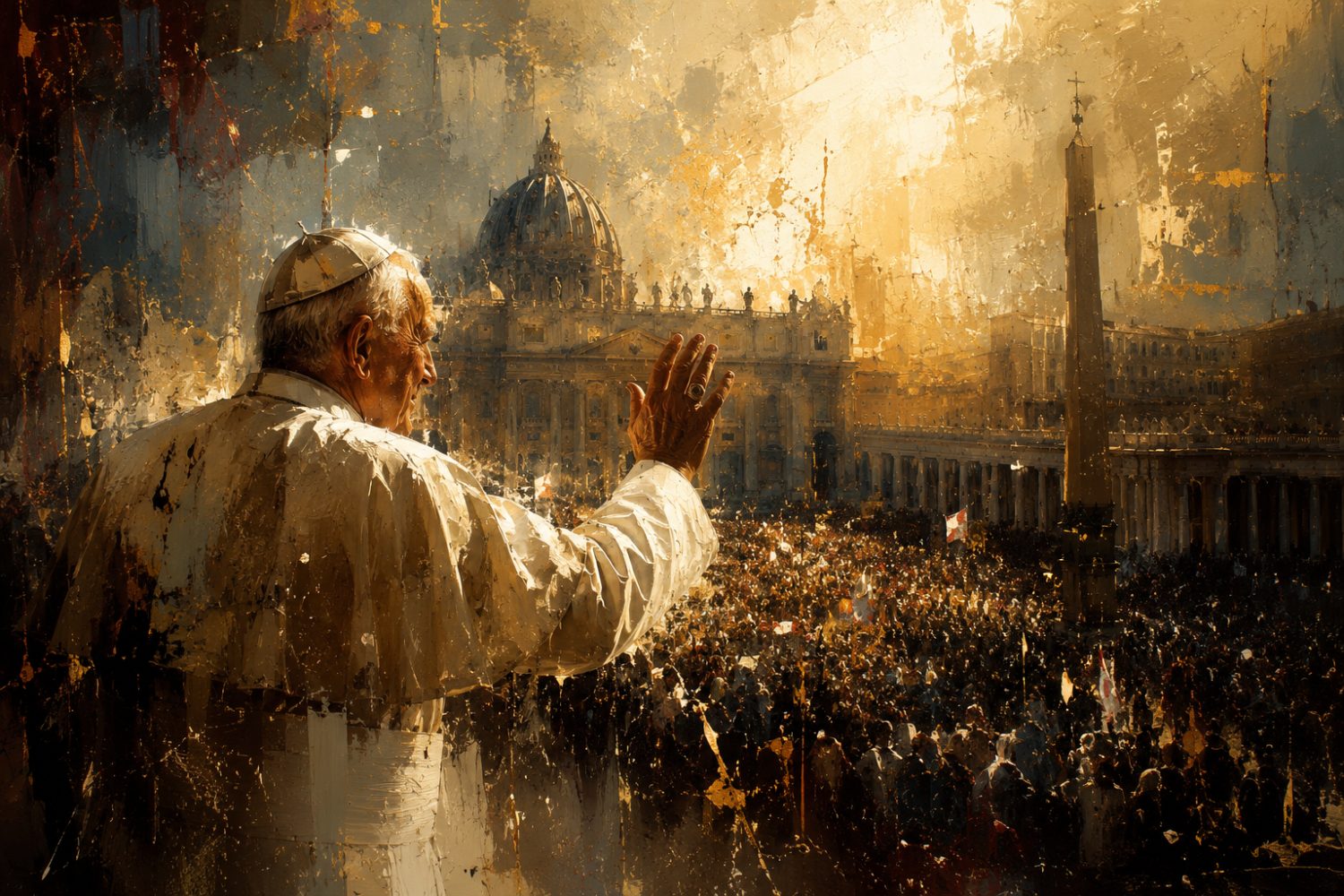
Pope John Paul II remains one of the most influential religious and moral figures of the modern era. To millions around the world, he represented courage, peace, discipline, forgiveness, and spiritual leadership. His influence crossed religious, cultural, and political boundaries, making him not only a Catholic leader but also a global moral voice.
He inspired many people through his defense of human dignity, his opposition to oppression and violence, his emphasis on moral discipline, and his efforts to encourage peace among nations and religions. His life storyu2014from surviving war and dictatorship in Poland to becoming one of the most recognized leaders on Earthu2014made him a symbol of endurance and faith.
However, like many major historical figures, his legacy is not entirely free from criticism or controversy. While many admire his achievements and values, others believe that certain decisions, institutional failures, and rigid positions during his leadership deserve honest examination.
A balanced study of his life therefore requires recognizing both:
- nthe qualities that made him inspirational,n
- nand the limitations or controversies that complicated his legacy.n
This approach creates a more mature understanding of leadership and human nature.
Early Life and Formation of Character
Pope John Paul II was born on May 18, 1920, in Wadowice, Poland, under the name Karol Ju00f3zef Wojtyu0142a. His childhood was marked by hardship and loss. His mother died when he was young, followed later by the deaths of his brother and father.
These experiences exposed him early to suffering, loneliness, and emotional pain. Instead of destroying his spirit, these hardships appeared to deepen his discipline, empathy, and spiritual seriousness.
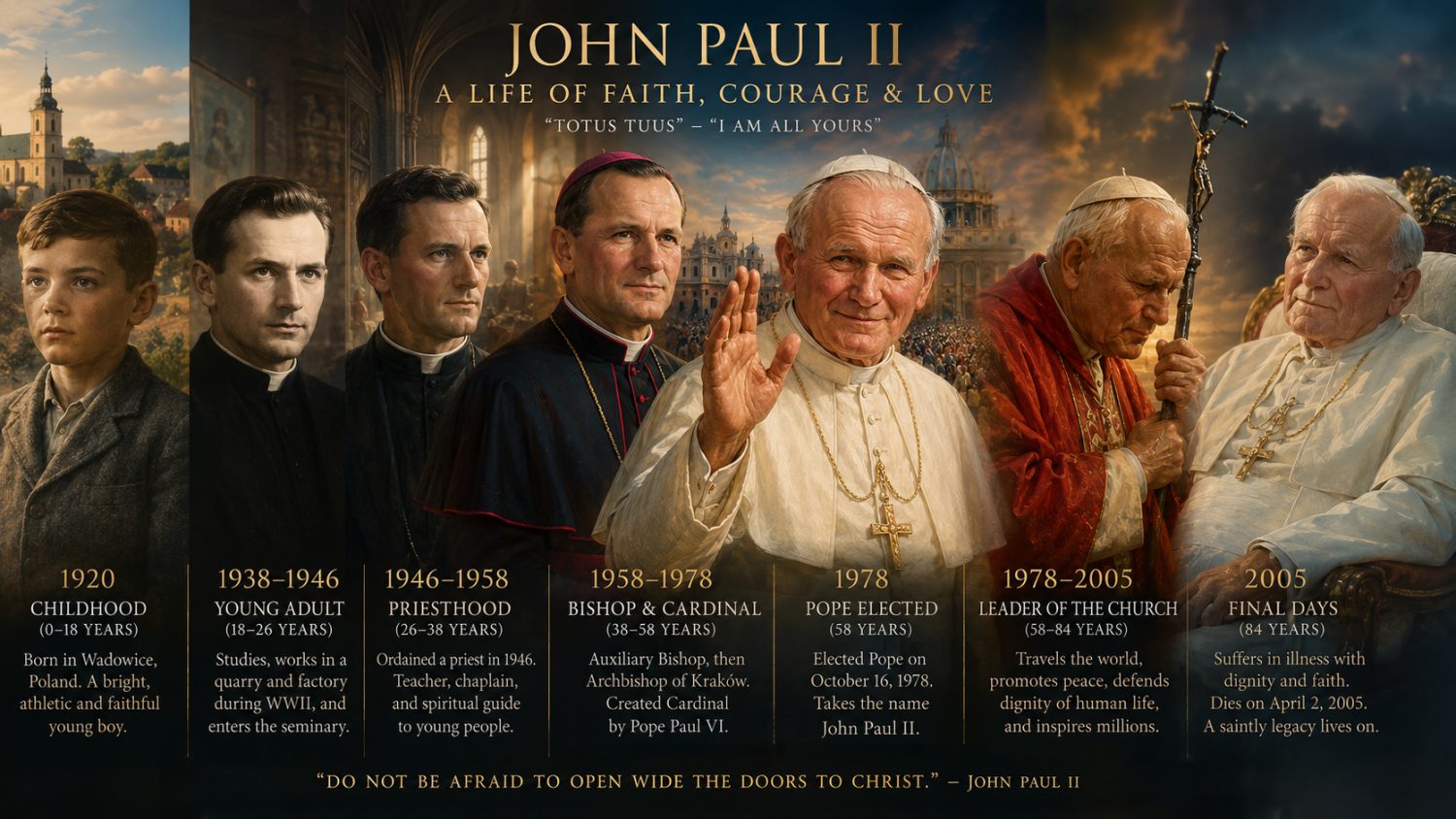
As a young man, he loved literature, philosophy, theatre, sports, and intellectual discussion. He believed education was important not only for professional success but also for moral and personal development.
Then came World War II.
Poland suffered brutal occupation under Nazi Germany. Many freedoms disappeared, educational systems collapsed, and countless innocent people suffered persecution and death.
During this period, Karol worked manual labor jobs while secretly studying for the priesthood. Living through war, oppression, fear, and violence deeply shaped his understanding of humanity. He saw what hatred, racism, dictatorship, and abuse of power could do to society.
These experiences strongly influenced his later commitment to:
- npeace,n
- nhuman rights,n
- nforgiveness,n
- nand moral responsibility.n
Rise to Religious Leadership
After the war, Karol Wojtyu0142a became a Catholic priest in 1946. He quickly became known for his intelligence, discipline, and ability to connect with young people.
As a priest and later bishop, he focused heavily on:
- nmoral education,n
- nyouth development,n
- nfamily stability,n
- nspiritual discipline,n
- nand personal responsibility.n
He believed young people needed guidance, purpose, and moral foundations to avoid destructive lifestyles and social confusion.
Eventually he became Archbishop of Kraku00f3w and later a Cardinal.
In 1978, he was elected Pope and took the name John Paul II. His election was historically significant because he became the first non-Italian pope in over four centuries.
Almost immediately, his influence expanded far beyond the Catholic Church.
His Moral Vision and Global Influence
One reason Pope John Paul II became admired globally was his belief that morality must remain central to civilization.
He frequently warned that societies become unstable when:
- ntruth loses value,n
- ncorruption becomes normalized,n
- nselfishness dominates public life,n
- nand human dignity is ignored.n
He emphasized discipline, responsibility, compassion, and spiritual awareness.
Unlike many purely political leaders, he often spoke about the moral and emotional condition of humanity itself.
He believed technology, wealth, and political systems alone could not save humanity if people lost their moral foundations.
His Commitment to Peace
Perhaps one of the most respected aspects of his life was his strong commitment to peace.
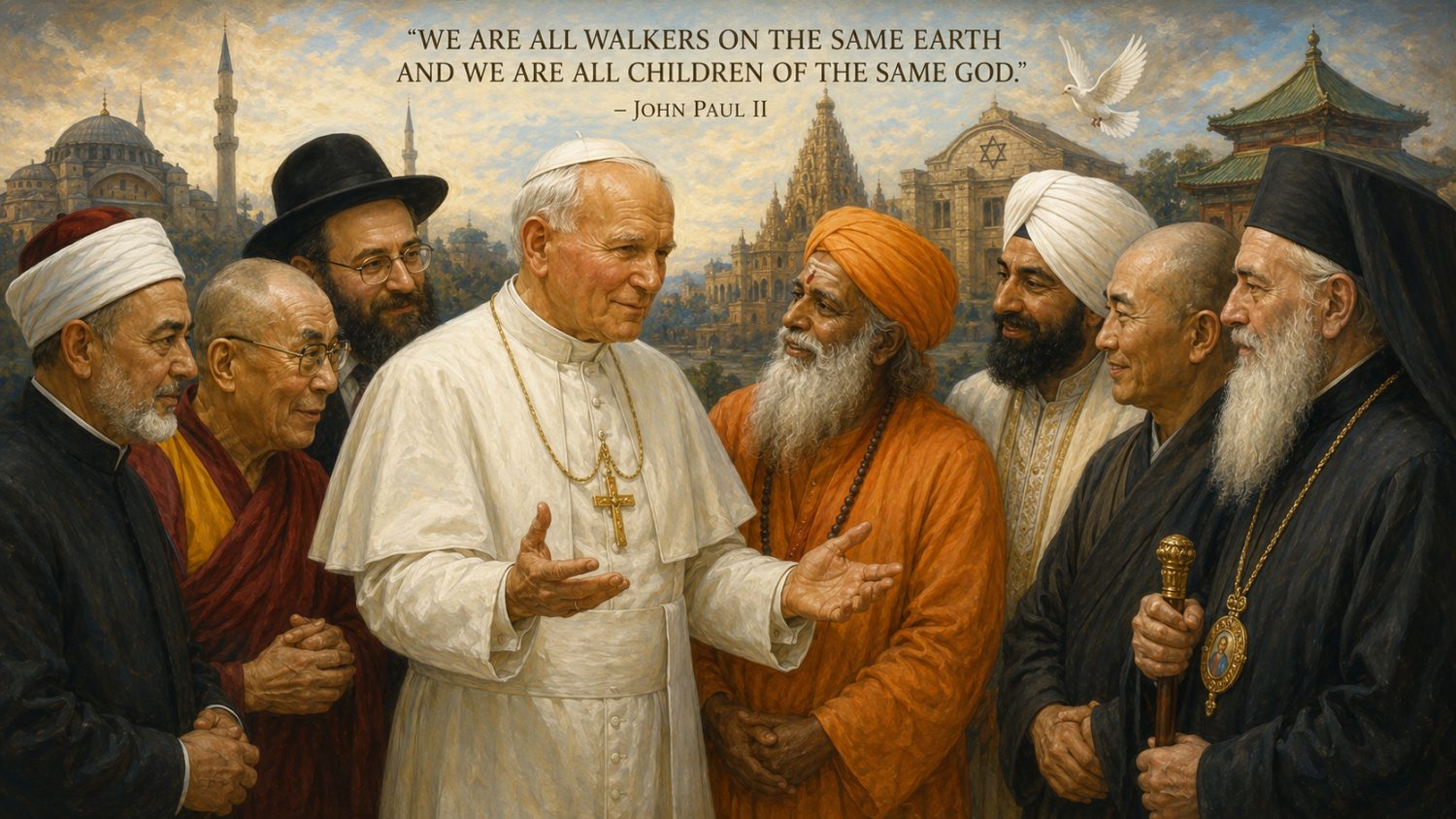
John Paul II consistently opposed:
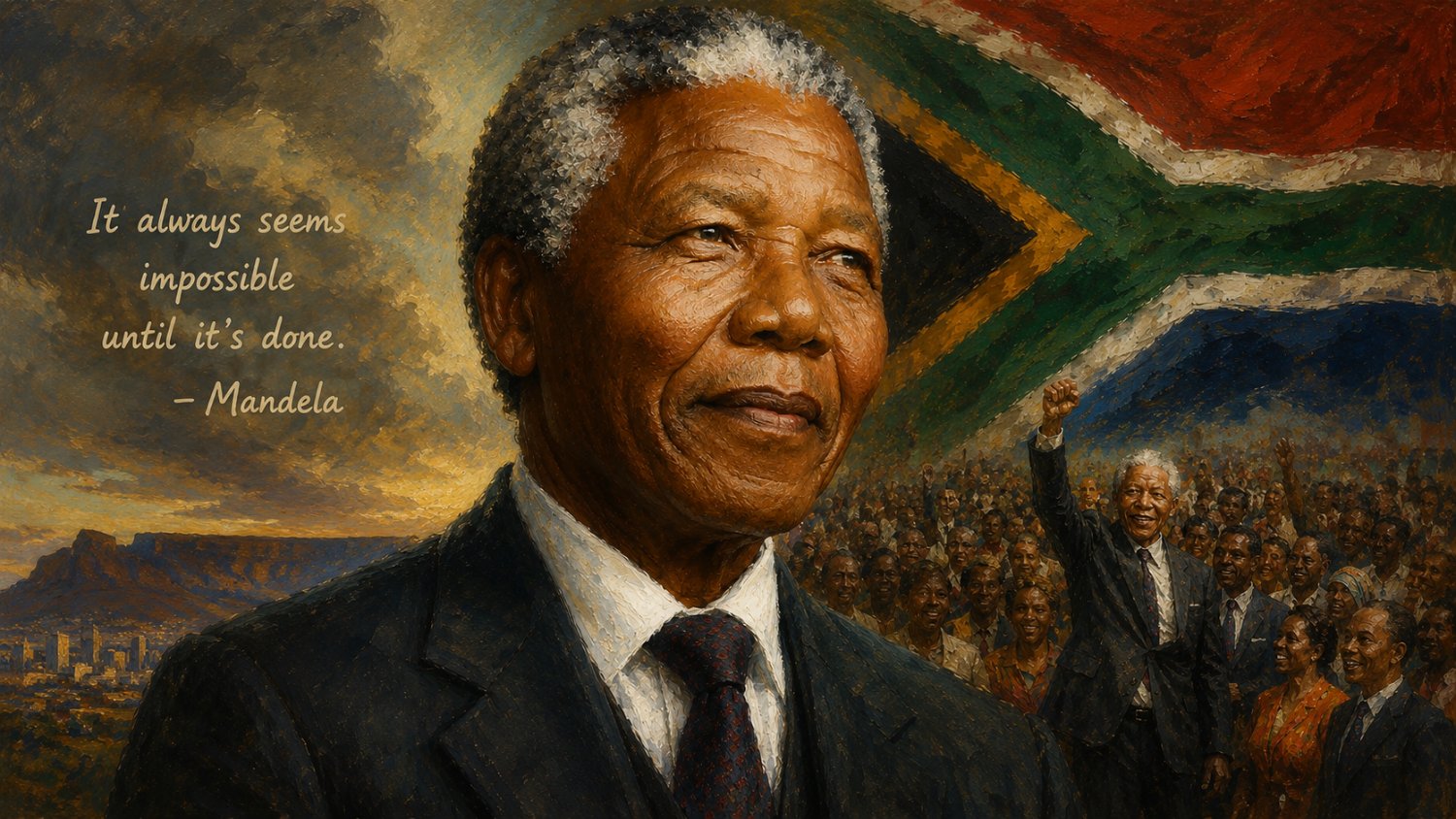
- nviolence,n
- noppression,n
- nrevenge,n
- npolitical tyranny,n
- nracism,n
- nand hatred.n
He encouraged nations and individuals to seek dialogue rather than destruction.
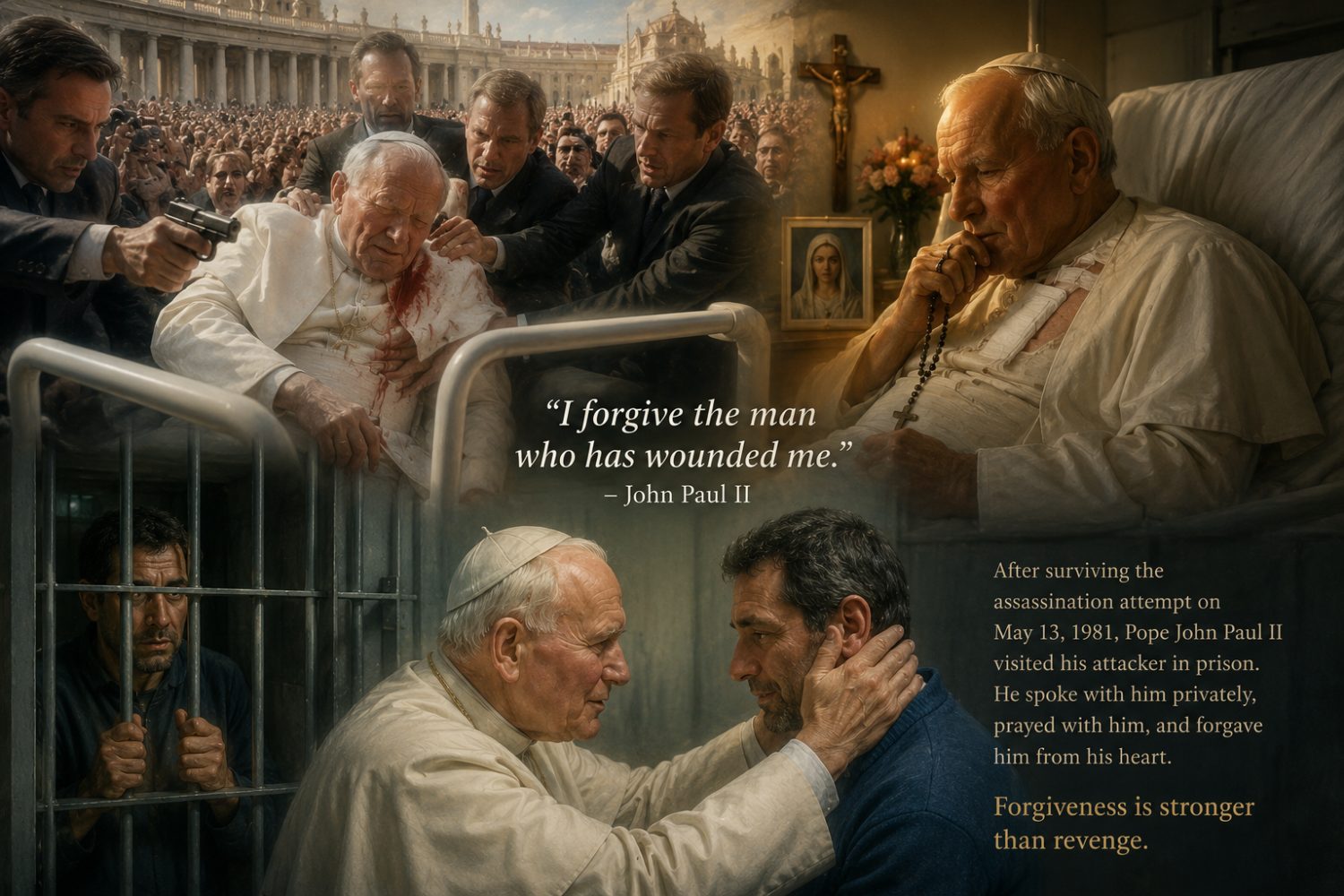
One of the defining moments of his life came after an assassination attempt in 1981, when he was shot in public. Instead of responding with hatred, he later forgave the attacker personally.
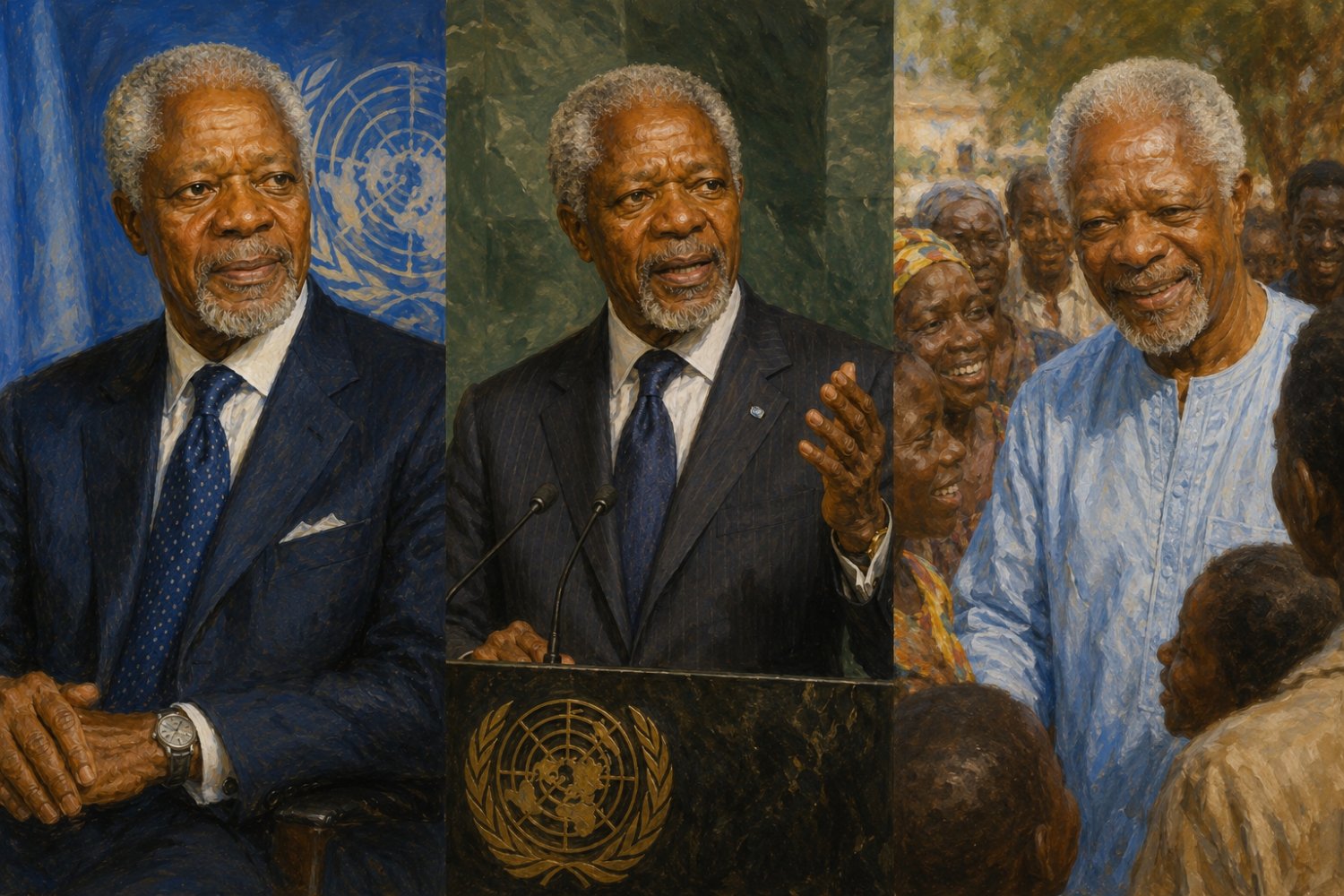
This act became symbolic of his philosophy that forgiveness is stronger than revenge.
He also worked to improve relationships between different religions and cultures, believing humanity needed cooperation rather than endless division.
Because of this, many peopleu2014including non-Christiansu2014respected him as a moral advocate for peace.
Influence on Children and Young People
John Paul II strongly believed the future of society depends on the moral development of children and youths.
He taught young people to:
- nvalue discipline,n
- nseek truth,n
- nrespect family,n
- navoid destructive behavior,n
- npursue education,n
- nand develop inner character.n
He warned that freedom without responsibility can become dangerous.
To him, success was not only about money or power but about becoming a person of integrity and purpose.
This focus on moral formation is one reason many people still consider him a mentor figure.
Strengths That Made Him Inspirational
Several qualities caused many people to admire Pope John Paul II deeply.
1. Courage During Hardship
He lived through war, dictatorship, assassination attempts, and illness without abandoning his beliefs.
2. Dedication to Peace
He consistently promoted forgiveness, reconciliation, and dialogue rather than violence.
3. Moral Consistency
Even when unpopular, he remained committed to his convictions.
4. Emotional Discipline
He demonstrated self-control and dignity even under suffering.
5. Global Humanitarian Influence
He encouraged international concern for justice, human rights, and human dignity.

Major Controversies and Criticisms
Despite his achievements, John Paul IIu2019s leadership also attracted criticism and controversy.
Understanding these issues creates a more honest historical perspective.
Abuse Scandals Within the Church
One of the most serious criticisms connected to his papacy involved the Catholic Churchu2019s handling of sexual abuse scandals involving clergy.
Critics argued that Church leadership did not respond quickly or transparently enough in confronting abuse allegations in some regions.

Some accused the institution of prioritizing protection of reputation over accountability and victim protection.
Because John Paul II led the Church during much of this period, critics believe stronger and earlier institutional action should have occurred.
Supporters argue that the global scale of the crisis became clearer over time and that he eventually approved stronger actions against abusive clergy later in his leadership.
However, many historians and critics still view this issue as a major weakness associated with his papacy.
Conservative Religious Positions
John Paul II strongly defended traditional Catholic teachings on issues such as:
- ncontraception,n
- nabortion,n
- ndivorce,n
- nsexuality,n
- nand male-only priesthood.n
Many supporters admired him for preserving doctrinal consistency and moral certainty.
However, critics argued that some positions appeared too rigid in a changing modern world.
Some people believed the Church under his leadership resisted reforms involving womenu2019s roles and broader social modernization.
This created tension between traditional religious authority and evolving societal expectations.
Centralized Leadership Style
Some observers believed authority became heavily centralized during his leadership.
Critics argued this reduced openness to internal disagreement among theologians and church intellectuals.
Others believed his strong leadership helped preserve stability during politically unstable decades.
This debate remains part of how historians evaluate his leadership style.
Loyalty and Institutional Blind Spots
One criticism sometimes directed toward Pope John Paul II is that he trusted certain close associates too strongly.

Some critics believe this loyalty may have delayed recognition of serious institutional problems.
This reflects a broader leadership lesson:nstrong personal loyalty can sometimes weaken institutional accountability.
His Final Years
In his later years, John Paul II suffered from severe health problems, especially Parkinsonu2019s disease.
Despite physical weakness, he continued appearing publicly and carrying out leadership responsibilities.
Many admired his willingness to remain visible despite suffering. He became a symbol of endurance, dignity, and perseverance in old age.
Others questioned whether declining health reduced his ability to manage complex institutional challenges effectively during his final years.
Still, many people respected his refusal to hide human weakness and suffering.
Death and Global Reaction
Pope John Paul II died on April 2, 2005.
His death produced worldwide mourning. Millions gathered to honor him, and many leaders described him as one of the defining moral figures of the twentieth century.

People remembered him for:
- nhis courage,n
- nhis commitment to peace,n
- nhis moral seriousness,n
- nhis defense of human dignity,n
- nand his spiritual influence.n
At the same time, discussions about institutional failures and controversies continued after his death, showing the complexity of his legacy.
A Balanced Historical Lesson
The life of Pope John Paul II teaches an important truth about leadership:
Great influence does not mean perfection.
A person may sincerely contribute positively to humanity while still facing:
- ncriticism,n
- ninstitutional failures,n
- nblind spots,n
- ndifficult decisions,n
- nand human limitations.n
Studying both his achievements and controversies allows future generations to develop mature thinking about leadership.
His life demonstrates:
- nthe power of peace,n
- nthe importance of moral discipline,n
- nthe strength of forgiveness,n
- nand also the need for transparency, accountability, and institutional responsibility.n
Conclusion
Pope John Paul II remains one of the most influential spiritual and moral leaders in modern history.
To many people, he symbolized courage, peace, discipline, endurance, and faith. His efforts to encourage reconciliation, moral responsibility, and human dignity inspired millions around the world.
At the same time, his legacy also contains controversies and criticisms that cannot be ignored honestly.
A balanced understanding of his life therefore reveals not a perfect man, but a complex leader whose strengths greatly influenced humanity while whose limitations also provide important lessons.
This balanced perspective makes his story more meaningful because it reflects the reality of human leadership itself:nthat even influential mentors remain human beings, capable of both remarkable contributions and significant imperfections.