Introduction
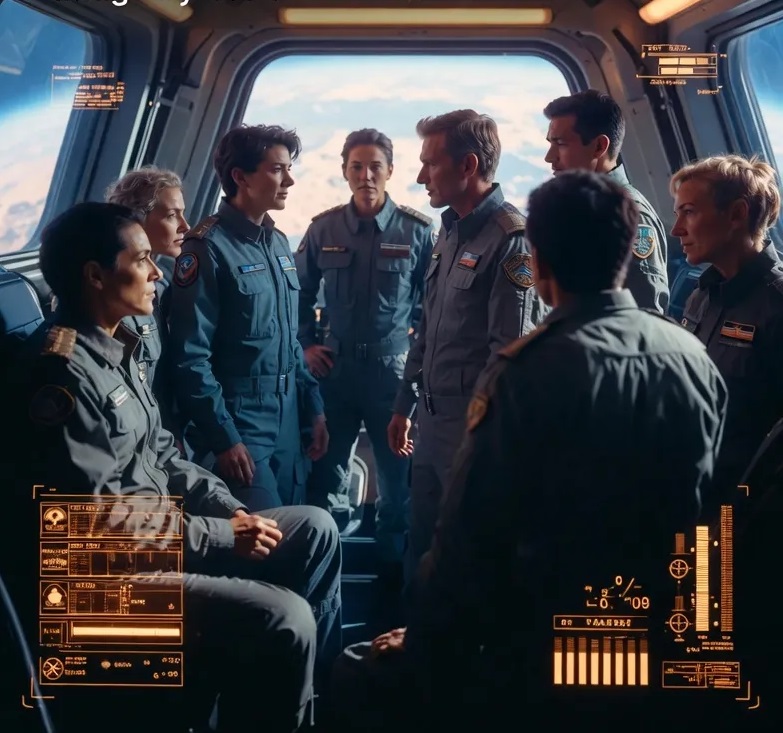
In long-duration space missions whether a multi-year journey to Mars, a generation ship designed for centuries, or a deep-space research station how people get along can be just as important as life support, propulsion, or navigation systems. Social dynamics are the invisible machinery that keeps a crew functioning. Among the many personality types that inhabit these small, isolated crews, one is particularly risky: the Transactional Personality.
A transactional person tends to treat every social interaction as a deal. Nothing is free.
Thanks for reading Ogejuma's Substack! Subscribe for free to receive new posts and support my work.
Every favor, every act of cooperation, is a potential debt to be tracked, leveraged, or even manipulated. While some people are purely intrinsic in their cooperation helping and sharing without expectation others fluctuate depending on context. Most humans fall somewhere in the middle, shifting toward transactional behavior under stress, scarcity, or when power opportunities arise. In the confined, high-stakes environment of space, even subtle transactional tendencies can escalate and threaten the entire mission.
Why Space Magnifies the Risk
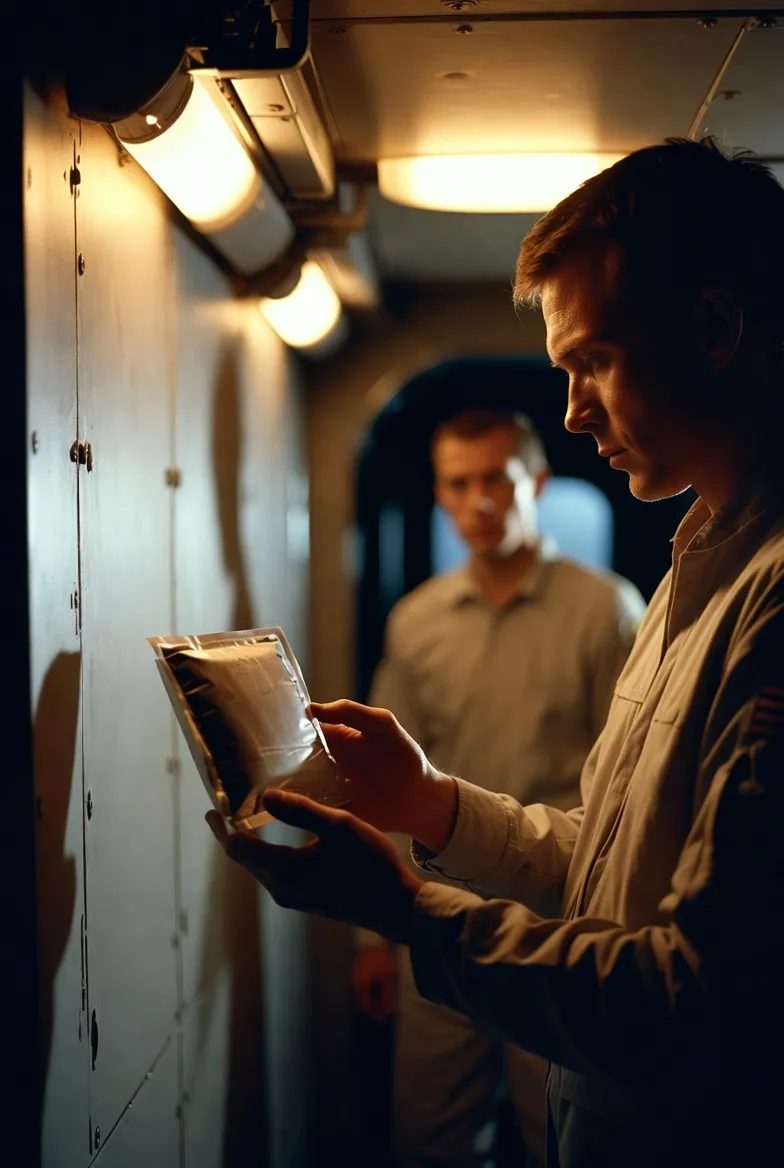
Space is the perfect pressure cooker for transactional behavior. The crew is isolated; thereu2019s no way to escape interpersonal tension. Resources such as oxygen, food, water, time, and even privileges are scarce and visible, making every interaction a potential negotiation. Every mistake carries high stakes, and ground support can be delayed or absent, leaving the crew to resolve conflicts on their own. Long periods of monotony, fatigue, and mental strain increase reliance on mental shortcuts, including the u201cquid pro quou201d mindset. In such a closed social network, even a single transactional personality can subtly shift group norms, encouraging everyone to calculate every favor instead of cooperating freely.
How Transactional Behavior Can Threaten a Mission
The dangers of transactional personalities in space are not always obvious. They can subtly manipulate social obligations, turning voluntary acts into leverage. For example, if an engineer reorganizes a tool locker, a transactional crew member might frame this as creating an obligation, demanding repayment in the form of favors, resources, or time. Over time, this discourages voluntary work, slows critical operations, and erodes trust.
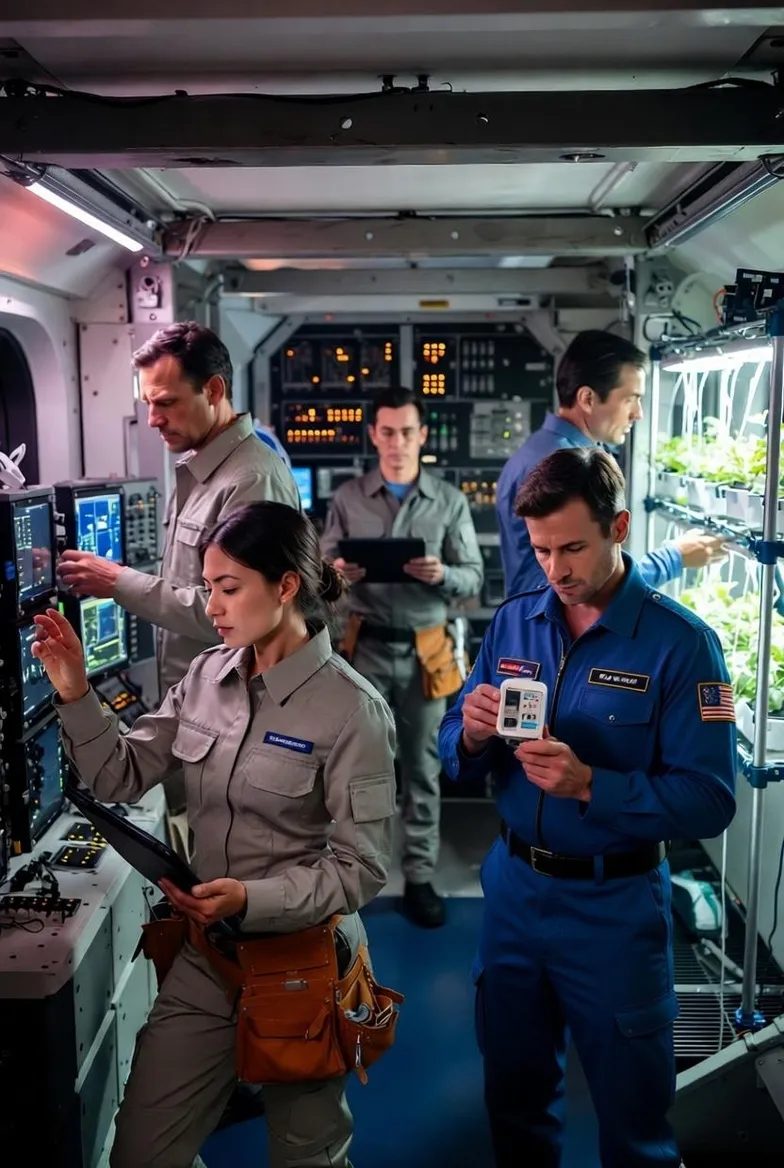
Transactional individuals also weaponize gratitude and indebtedness. Sharing personal food, morale items, or knowledge can become a tool for pressure or control. Power dynamics are exploited when a crew member controlling resources withholds or mismanages them to extract concessions, creating invisible hierarchies. Even emergency assistance can be conditioned: delaying help or offering it only after compliance can threaten lives.
Repeated exposure to such behavior can shift the crew culture. Intrinsic personalities may begin to calculate favors to avoid being exploited, gradually reducing spontaneous cooperation and slowing responses in critical moments.
Spotting the Signs
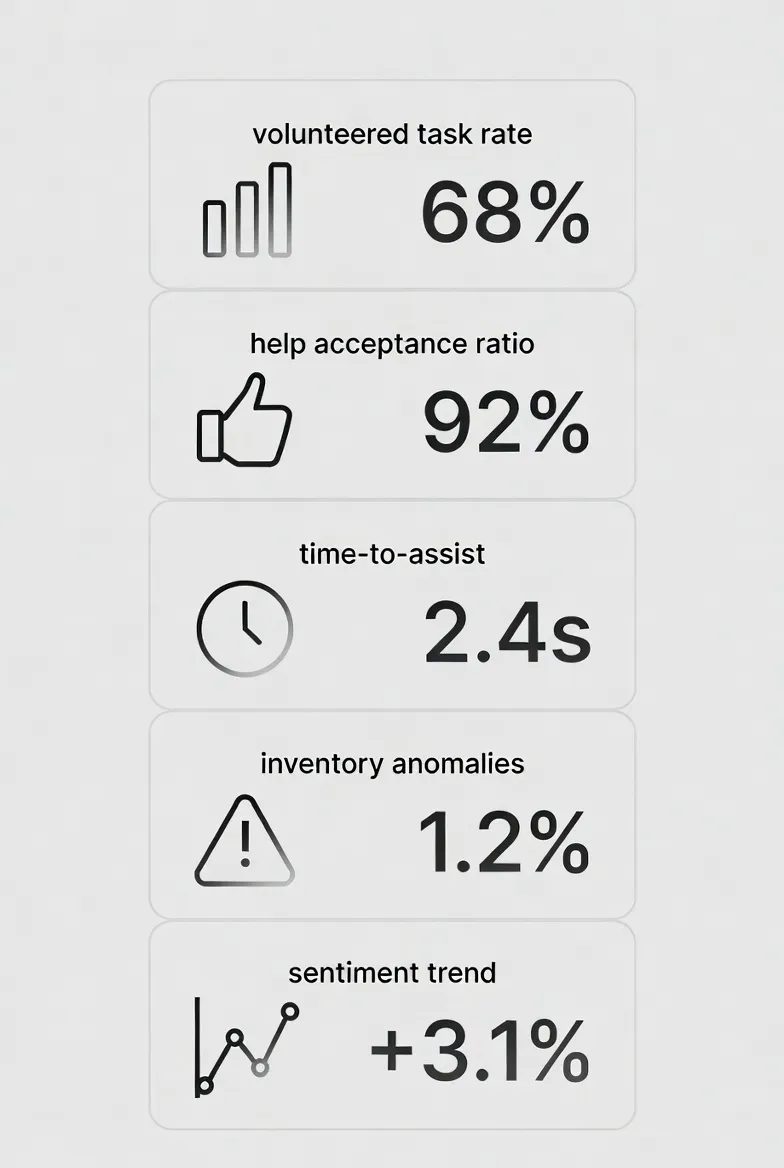
Early warning signs include a rise in conditional offers, fewer volunteers, repeated demands for compensation for routine work, private u201cside deals,u201d and disproportionate resource requests. Social clustering around a single individual, communication patterns that emphasize debts and obligations, and unusual patterns in task completion or resource use are also indicators. Modern missions could track quantitative metrics such as volunteered task rates, response times to help requests, and sentiment analysis of crew communications to detect potential issues early.
Consequences for Crew and Mission
Unchecked transactional behavior erodes trust, slows operations, and undermines redundancy. Hidden coercion can replace mission priorities with personal leverage, increasing stress, anxiety, and fatigue. Operational reliability drops as critical tasks are delayed or neglected, and in extreme cases, conditional cooperation or sabotage can directly threaten the mission.
How to Prevent or Mitigate Transactional Risks
Mitigation begins before the mission. Selecting a multidisciplinary crew with overlapping skills in engineering, medicine, biology, operations, and navigation reduces dependence on any single individual, limiting opportunities for transactional leverage. Behavioral screening, simulations, and evaluations of intrinsic cooperation help ensure that crew members can act collaboratively under stress.
Training should include team-building exercises that simulate scarcity and high-pressure situations, teaching clear norms around voluntary acts, reciprocity, and emergency cooperation. Conflict resolution, negotiation without leverage, and role-playing scenarios help crews recognize and counter transactional behavior early.
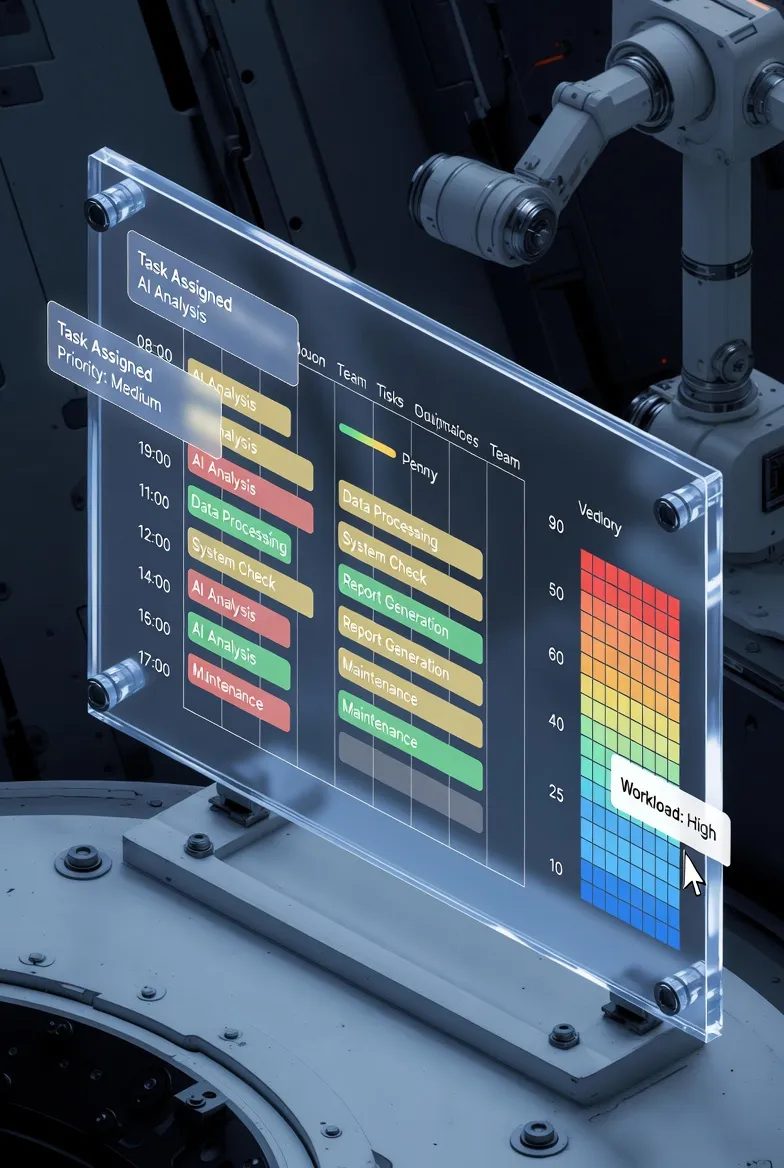
Procedures and architecture also help. AI-assisted scheduling and workload management can fairly assign tasks, predict overburdening, and reduce the chance that interpersonal manipulation affects operations. Modular systems, designed to be intuitive and cross-trainable, ensure that no one person is indispensable, reducing entitlement and buffering against power concentration. Automated resource tracking prevents covert control over consumables, while role rotation and algorithmic task assignment remove opportunities for bargaining or favoritism. Pre-agreed emergency protocols guarantee unconditional cooperation when lives are at stake.
Psychological support and culture maintenance are equally important. Regular debriefs, facilitated discussions, recognition of intrinsic cooperation, and shared rituals help maintain a positive social climate. AI can assist by tracking patterns, providing neutral feedback, and identifying transactional behaviors before they escalate. These measures collectively reduce dependence on specific crew members, buffer entitlement, and make transactional enforcement ineffective.
What Happens if It Goes Wrong
If transactional behavior is not managed, crew culture can shift toward a calculated, obligation-based environment, permanently lowering cooperation. Operational fragility increases as refusal to cross-train or share knowledge undermines redundancy. Safety incidents become more likely, and in extreme scenarios, coordinated refusal, sabotage, or persistent mismanagement could jeopardize lives or lead to mission failure.
Recommendations for Mission Planners
The most effective approach is proactive. Crew selection should prioritize cross-functional skills and intrinsic cooperation. Pre-flight simulations should test how teams handle scarcity and stress. Clear social norms, codified in a Crew Social Contract, combined with automated task assignment and resource tracking, prevent personal leverage from compromising operations. Stress inoculation, mediation practice, and scenario-based red-teaming prepare crews for inevitable interpersonal friction. Predictable, procedural sanctions discourage ad-hoc retaliation, while automation and AI assistance reduce human leverage wherever possible.
Conclusion
Transactional tendencies are not just a personality quirk they become a serious operational hazard in the confined, high-stakes, and resource-limited environment of space. By selecting multidisciplinary crews, leveraging AI, designing modular systems, establishing clear social norms, and embedding psychological safeguards, mission planners can create resilient social systems. These systems ensure that intrinsic cooperation thrives, transactional behavior is neutralized, and mission priorities remain protected. In deep space, designing for human behavior is as important as designing for propulsion or life support, because the crew itself is the engine that keeps the mission running.